LED backlighting and conversion
Support for CCFL-to-LED conversion paths, LED rail selection, current control, and display lighting behavior.

Engineering Services
ACI works with customers from early design review through production support, helping translate application constraints into reliable LED drivers, rails, inverter replacements, display modifications, and specialty power solutions.
Collaboration Approach
Many ACI projects begin when a standard product cannot be applied directly. Our engineering review focuses on the operating requirement: brightness, dimming, input power, thermal limits, connectors, lifecycle, testing, and the mechanical realities of the equipment.
From prototype support through production readiness, the goal is to recommend a path that is technically useful and commercially practical.
Design Capabilities
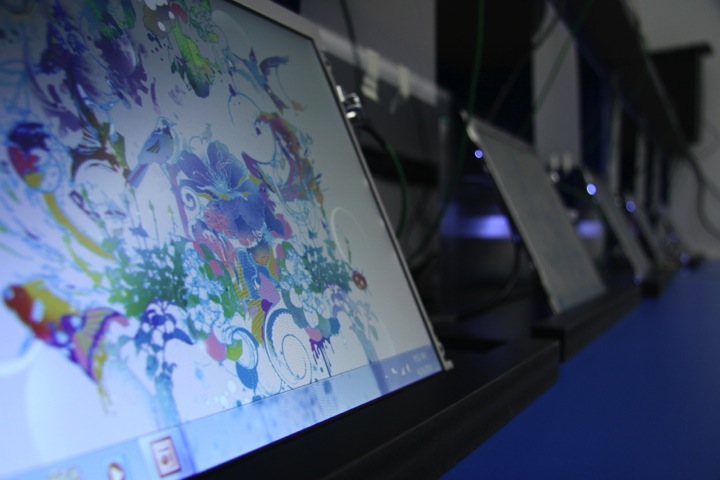
Support for CCFL-to-LED conversion paths, LED rail selection, current control, and display lighting behavior.
Custom PCB assembly, microcontroller-based LED control, firmware adjustments, and application-specific power behavior.
Conformal coatings, burn-in, altitude-aware review, and electrical decisions intended to reduce field risk.
Review around life testing, ESS, altitude, shock, vibration, temperature, and production readiness needs.
Display Enhancement Strategy
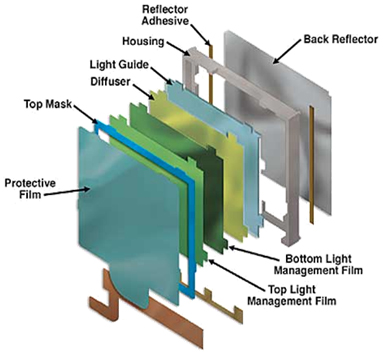
ACI LED display modifications are active enhancements because they directly affect the lighting system behind the LCD. Improving the backlight can increase luminance, improve practical readability, and give the equipment more useful control over dimming behavior.
Passive enhancements, such as touch screens, filters, cover glass, or bonded layers, can be important in some programs. When a project needs those services, ACI can coordinate with trusted partners while keeping the power and backlight path technically aligned.
Review Areas
CCFL, LED, hybrid, rail format, panel model, and conversion constraints.
Input range, output current, dimming method, mode switching, and control interfaces.
Sunlight readability, brightness goals, NVIS requirements, and low-light operation.
Envelope, mounting, connector routing, cable length, and retrofit limitations.
Temperature range, altitude, shock, vibration, coating, and service conditions.
Quantity, schedule, documentation, burn-in, test expectations, and lifecycle requirements.
Project Intake
Send the current panel or product number, drawings or datasheets, electrical requirements, target brightness, dimming needs, environmental limits, quantity, and schedule. ACI will use that context to determine whether the right next step is a standard product, modification, conversion, or custom review.
Clarify what the current display, driver, rail, or inverter cannot do well enough.
Compare catalog products, modifications, conversion approaches, and custom engineering effort.
Align technical performance, documentation, testing, schedule, and quote details.